Pool maintenance is not only about keeping the water looking clear but also about ensuring long-term safety, efficiency, and durability of the entire swimming system. Many pool owners focus on basic cleaning, but advanced maintenance practices can significantly reduce repair costs, improve water quality, and extend the life of pool equipment.
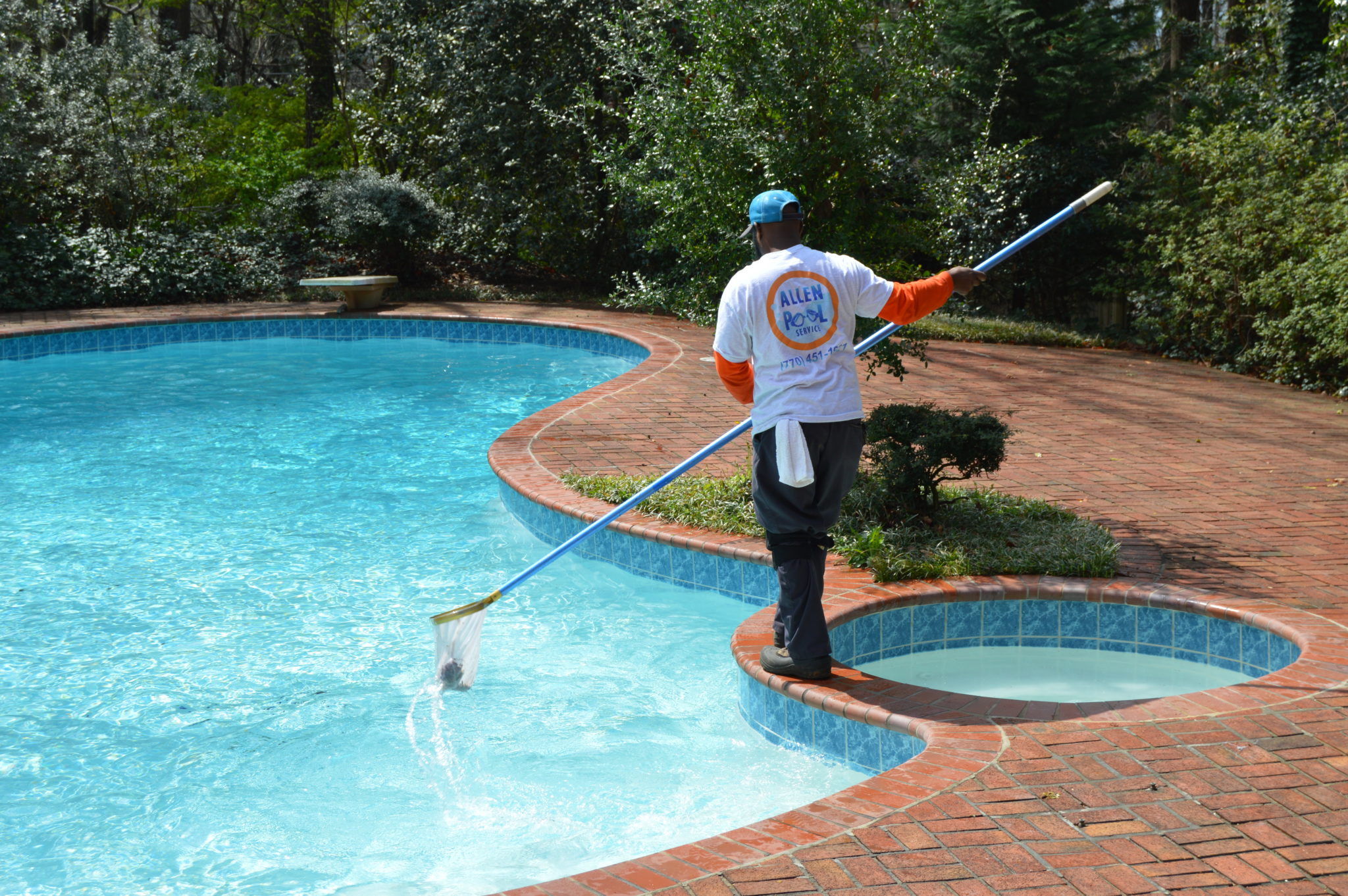
One important aspect of advanced pool care is consistent water chemistry management. Beyond basic chlorine and pH checks, it is necessary to monitor pool maintenance stabilizer levels and total dissolved solids. Stabilizers help protect chlorine from breaking down under sunlight, which is especially important in hot climates. When chemical balance is ignored for long periods, the water can become cloudy, irritating to the skin, and difficult to restore without heavy treatment.
Another key factor is improving circulation. Proper water movement ensures that chemicals are evenly distributed and prevents stagnant zones where algae can grow. Running the pump for an adequate number of hours each day helps maintain circulation, but it is equally important to adjust return jets so that water flows in a circular pattern. This reduces dead spots and improves overall filtration efficiency.
Deep cleaning the pool structure is also essential over time. While surface skimming removes visible debris, hidden dirt and biofilm can build up on pool tiles and walls. Regular brushing with appropriate tools prevents slippery surfaces and algae formation. In some cases, pressure washing or professional cleaning may be needed to restore heavily used pools, especially in commercial settings.
Filter maintenance plays a critical role in long-term performance. Over time, filters collect fine particles that reduce water flow and efficiency. Backwashing sand filters, cleaning cartridge filters, and replacing worn media at the correct intervals ensures the system continues to operate effectively. Neglecting filters often leads to higher chemical usage and cloudy water problems.
Pool equipment inspection is another area often overlooked. Pumps, heaters, valves, and plumbing systems should be checked for leaks, unusual vibrations, or pressure drops. Early detection of mechanical issues prevents costly breakdowns. Lubricating seals and replacing worn parts also helps maintain smooth operation.
Seasonal planning is important for pools that are not used year-round. In colder months, proper winterization protects pipes from freezing and prevents algae growth during inactivity. This includes lowering water levels, adding winter chemicals, and covering the pool securely. When reopening the pool, a full system check and chemical reset are necessary before use.
Energy efficiency is becoming a growing focus in pool maintenance. Using variable-speed pumps, energy-efficient heaters, and solar covers can significantly reduce operating costs. Many modern pool systems are designed to optimize energy use while maintaining strong water circulation and heating performance.
Overall, advanced pool maintenance combines chemistry control, mechanical care, and preventive strategies. By adopting a structured and consistent maintenance approach, pool owners can ensure clean water, reduce long-term costs, and enjoy a safe swimming environment throughout the year.
Comments are closed, but trackbacks and pingbacks are open.